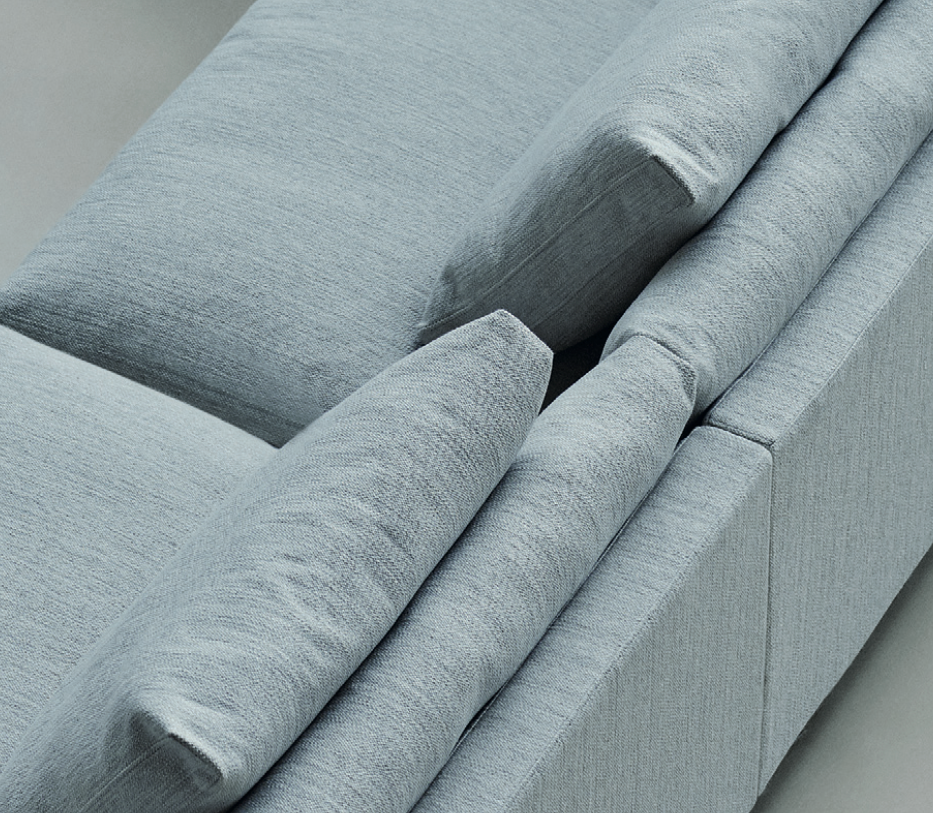
Eilersen Sofa Design - A Guide to Danish Craftsmanship
Almost every sofa looks good in a photograph. What separates one that still looks good in fifteen years from one that sags in three is entirely hidden: the wood inside the arm, the springs under the seat, the density of the foam, the weight of the fiber wrapped around it. None of it is visible when you shop, and most manufacturers would rather you didn't ask.
Eilersen is unusually willing to answer. This guide goes layer by layer through how a Eilersen sofa is built, what each material does, and why the choices matter years after delivery. By the end you'll be able to evaluate any sofa, from any brand, on the things that actually determine how long it lasts.
A Craft Lineage, Not a Marketing Story
In 1895, a 23-year-old Dane named Niels Eilersen opened a workshop building royal hunting carriages, pioneering the use of steam to bend wood. When automobiles replaced carriages in the 1920s, the family took that expertise into car manufacturing. When fire destroyed the automobile factory in 1934, they turned to furniture, carrying with them a hard-won understanding of how to build wooden structures that flex under load without failing.
That's the origin of a company that still treats a sofa frame as an engineering problem. Eilersen's specialists continuously scout the world market for raw materials and manufacturing developments, on the principle that quality starts with the material, not the pattern.

Layer by Layer: What's Inside an Eilersen Sofa
The Sofa Frame
Slow-Grown Pine, Dried and Doweled
Every Eilersen begins with precision-machined solid Scandinavian pine, sourced from north of the 60th parallel where cold summers make trees grow slowly. Slow growth means tighter rings, fewer knots and less internal tension, so the wood is less likely to twist or split as it ages.
The timber is oven-dried to a moisture content of 8-10% before machining. This step is easy to skip and expensive to do properly, and it's the reason a frame stays true in a heated winter living room instead of shrinking and loosening at the joints. Parts are then glued and assembled with dowels rather than staples, producing a frame that's light and flexible yet holds up to the immense, repeated strain upholstered furniture absorbs: someone dropping onto the same seat twice a day for a decade. The pine is FSC-certified and traceable to the forest.
What to compare: most sofas at mainstream prices use plywood or engineered panels stapled together. Staples work loose. Dowels and glue don't.

The Comfort Level
No-Zag Springs in Nylon-Lined Fittings
Beneath the seat cushions runs a bed of no-zag steel springs, each individually mounted in a special nylon-lined fitting. The fittings matter as much as the springs: they isolate metal from wood, which is what keeps the sofa silent years later instead of announcing every movement with a creak. The springs are tested to withstand more than 200,000 impacts without distortion, and they're coated against rust.
This is the layer that provides the fundamental support, the "silent buoyancy" you feel when you sit. It's also the layer most commonly replaced with elastic webbing in cheaper furniture. Webbing feels fine in a showroom and stretches over time, which is why a three-year-old budget sofa often feels like it's swallowing you.
Under The Cover Cushions
Heavy, Soft, and Pre-Conditioned
Polyurethane foam has a porous cell structure like a sponge. During manufacture, the thickness of the cell wall can be controlled, which determines the weight and hardness of the finished foam. All polyurethane foam softens with use; thicker cell walls simply take far longer to do it.
Eilersen uses heavy, durable foam made exceptionally soft for comfort, then puts it through repeated mechanical compression before it's upholstered. That pre-conditioning removes the initial loss of firmness every foam experiences, so the sofa you receive is already past the break-in slump. What you sit on at delivery is close to what you'll sit on for years.
The Seat Cushions
Soft, Not Sink In
Seat cushions use a sandwich construction: a polyurethane foam core wrapped in 600 grams of pre-compressed, chemically bonded cotton fiber. The foam supplies support, the fiber supplies the soft surface, and because the fiber is pre-compressed it holds that loft without maintenance.

Fiberfill
The Difference You Can't See, But You Can Feel
This is the detail that separates sofas most visibly after a year of use, and it's completely invisible at purchase. Fiberfill gives a seated person a sensation of downy softness. Cheap, lightweight, hard-carded fiberfill delivers that sensation in the showroom and then collapses after a short period of use. Heavier fiberfill that has been pre-compressed and is mostly chemically bonded retains its volume far longer.
Fiberfill costs more as it gets heavier and as more treatments are applied, which is precisely why inexpensive sofas skimp here, and why you can't tell from the outside. When a sofa looks deflated and lumpy after eighteen months, this is usually the reason.
Down-Top Cushions
The Alternative Option
Many models offer a down-top cushion, which combines the stability of foam with the appearance and feel of down. It's built from a core of high-elastic polyurethane foam topped with 100% duck down and fine feathers, sewn into a channel-divided case of down-proof cambric. You get the relaxed, casual look of a down cushion and the maintenance-free stability of foam underneath.

Back Cushions and Pillows
Duck Down and Fine Feathers
On most Eilersen furniture every cushion except the seat cushions is filled with duck down and fine feathers, in a down-proof cambric case divided into channels so the filling can't migrate to one corner. Down delivers ideal sitting comfort and, because down and feathers absorb large quantities of moisture, an excellent sitting climate: it breathes.
The trade-off is honest and worth knowing before you buy. If down filling gets damp it tends to clump, so down cushions need to be dried out and shaken regularly to keep their softness and volume. Give them a shake when you tidy the room and they'll look right for decades.
The Covers
Calico Underneath, Removable On Top
Eilersen sofas carry a fixed calico cover beneath the visible upholstery. On most models you can then choose a removable outer cover with hidden seams. It comes off completely for dry cleaning and goes back on without the wrestling match most slipcovers demand, and the calico layer underneath means the sofa still looks finished while the cover is away.
The long-term value is bigger than cleaning. A cover can be replaced. When a fabric wears through or your palette changes in year twelve, the frame, springs and cushions carry on and only the outer layer is renewed.

Performance Fabrics
Engineering the Outer Layer
Eilersen applies the same thinking to what covers all of this. The Berlin, Munich and Munster fabric groups are engineered to resist stains and repel liquids while looking and feeling like conventional upholstery, with no plastic sheen or stiff hand. They're designed for the daily chaos of family life, and they take the guesswork out of choosing.
For stain-by-stain instructions, see our Eilersen reviews and FAQs, and for how performance weaves work in general, read The Complete Guide to Performance Fabrics.
How to Judge A Sofa
Take this list to any showroom:
- Ask what the frame is made of and how it's joined. "Kiln-dried hardwood or solid pine, doweled and glued" is a good answer. "Engineered wood" usually means stapled panels.
- Ask about the suspension. Steel springs beat webbing. Ask whether the springs are isolated from the frame, which is what prevents creaking.
- Ask the foam density, and whether it's pre-compressed. Most salespeople won't know. That itself tells you something.
- Ask what's in the cushion wrap. Weight and treatment of the fiberfill predict how the sofa looks in two years better than anything you can see today.
- Ask whether the cover comes off, and whether replacement covers can be ordered later.
- Sit for five minutes, not five seconds. Soft-at-first sofas often reveal a hard edge or a lack of support once you settle in.

Caring for Your Sofa
Good construction still rewards a little attention. Shake and plump down-filled back cushions regularly, and let them dry out if a room has been humid. Rotate seat cushions so wear spreads evenly. Have removable covers professionally dry-cleaned rather than washed. And when seat cushions eventually soften after years of daily use, the inserts can be replaced without replacing the sofa, which restores the original sit for a fraction of the cost.
How This Adds Up
A frame that doesn't loosen, springs that don't sag, foam already past its break-in, fiber that keeps its loft, and a cover you can clean or replace. Each choice on its own sounds like a detail. Together they're the difference between a sofa you replace and a sofa you keep, which is why an Eilersen is designed to last 15-20+ years and why the cost works out lower per year than a cheaper sofa bought three times.
You feel all of this the moment you sit down, long before you know any of the technical reasons for it.
Ready to choose a piece? See The Eilersen Quick Ship Sofa Guide for what's stocked in the US and arriving in 2-4 weeks, browse the full Eilersen collection, or visit our Carmel-by-the-Sea showroom to sit on one. White Glove delivery is included nationwide at no cost.
Download the Eilersen Furniture Catalog.
Frequently Asked Questions
What is an Eilersen sofa frame made of?
Precision-machined solid Scandinavian pine grown north of the 60th parallel, oven-dried to 8-10% moisture content and assembled with glued dowel joints rather than staples. The pine is FSC-certified and traceable to the forest.
What are no-zag springs?
No-zag springs are sinuous steel springs that form the seat suspension. Eilersen mounts each one individually in a nylon-lined fitting, which isolates the metal from the wood and keeps the sofa silent. They're tested to withstand more than 200,000 impacts without distortion.
What is inside an Eilersen seat cushion?
A polyurethane foam core wrapped in 600 grams of pre-compressed, chemically bonded cotton fiber. The foam provides support and the fiber provides surface softness, and because the fiber is pre-compressed it holds its loft without maintenance. A down-top option adds 100% duck down and fine feathers over a high-elastic foam core, in a channel-divided down-proof cambric case.
Why does fiberfill quality matter?
Fiberfill creates the soft, downy feel of a cushion surface, but cheap, lightweight, hard-carded fiberfill collapses after a short period of use. Heavier, pre-compressed, chemically bonded fiberfill retains its volume for years. You can't see the difference when you shop, which is why it's one of the first places inexpensive sofas cut cost.
Why is the foam pre-compressed?
All polyurethane foam softens with use. By subjecting the foam to repeated mechanical compression before upholstering, Eilersen removes the initial loss of firmness, so the sofa arrives already past its break-in period and keeps its shape and comfort far longer.
Do Eilersen down cushions need maintenance?
A little. Down and fine feathers absorb moisture, which is what gives them their comfortable sitting climate, but damp filling can clump. Shake and plump down-filled cushions regularly and let them dry out after humid spells to keep their softness and volume.
What is the calico cover under the upholstery?
It's a fixed inner cover fitted beneath the visible fabric. It keeps the sofa looking finished when a removable outer cover is off for cleaning, and it makes taking the cover off and refitting it far easier than on a typical slipcovered sofa.
Can Eilersen cushions or covers be replaced?
Yes. Cushion inserts can be replaced after years of use to restore the original sit, and removable covers can be replaced if the fabric wears or you want a new color, without replacing the frame underneath.
How long does an Eilersen sofa last?
With proper care, 15-20+ years. The solid pine frame and no-zag spring suspension are the enduring structure, while the pre-conditioned foam, pre-compressed fiber and replaceable covers and inserts slow or reverse the wear that retires most sofas.
Related Posts

How to Choose the Right Sofa Size for Your Room
Eilersen's Debuts New Sofas at 3 Days of Design 2026